Showing posts with label composers. Show all posts

Wednesday, July 1, 2015

2015 Composition Contest Winners!

The student confidently steps onto the stage, and announces his original composition before taking a seat at the grand piano.  He performs beautifully for the audience.  The parents, and certainly the teacher, are surprised how quickly three short years have flown past since he began Let's Play Music, and now he's graduating from the program as a viable musician.  Audience members gasp in delight to hear the creativity, knowledge, and feeling bursting from compositions by unassuming six-, seven-, and eight-year-olds.

This is a familiar scene every Spring in Let's Play Music studios nationwide.  The program helps students read and play piano music, but the more fantastic result of three very short years is a student body who
understand the music, enjoy the music, and create their own music!

Today we share the video of the winners from the
2015 National Composition Contest: students who made it clear that they will forever be creators of music.  Winners were announced earlier in June at the National Let's Play Music Symposium for teachers.  1,500 young composers completed compositions in 2015.

WATCH HERE:
 

Best Overall Composition, by Asia: Sledding.
Teacher: Trina Harding 
"My song is about me and my dad sledding fast down a long hill."
 

Best Use of Chords, by Jackson: Piano Man in China.
Teacher: Lily Hight

Best Melody, by Katie: Swallow & The Tortoise
Teacher: Shea Morley
"You will hear a swallow. She's happy because she is invited to a birthday party. Then you'll hear a tortoise, slow and sad, because he isn't invited."

Best Use of ABA Form, by Kien: Robot's Workshop
Teacher: Anna White
Video: coming soon!
 

Most Original Composition, by Oliver: Dragon & the Man
Teacher: Stacie Raddatz
You'll hear an exciting tale of a man who sneaks into a dragon's lair for a diamond.

Honorable Mention, by Aleena: Avaleena
Teaher: Debbie Huish
Aleena's composition "Avaleena" is about her and her sister Avalee. The title is both of their names together and she wrote the song for her sister Avalee. In the song you will hear happiness, fighting and sadness. Aleena loves her sister Avalee. 

Honorable Mention, by Gavin: Here Comes a Bison
Teacher: Tina Gosney
"The reason I wrote this song is because I love Bison"


Honorable Mention by McKenna: Make a Wish
Teacher: Heather Prusse
"I dedicate this song to both my sisters, because they're the best."  
Honorable Mention, by Elida: Best Friends Forever
Teacher: Natalie Pasqueralli
"My song makes me feel happy because whenever I play it, It reminds me of my best friend, Sophie."

Honorable Mention, by Quentin: Angry Creature

Teacher: Annie Miller
"If you listen carefully, you'll hear a troll, a goblin, and a zombie." 

Honorable Mention: Dog Bite Boogie
Teacher: Liz Murdock


Friday, May 29, 2015

Twinkle, Twinkle, Little Star: Variations in Compositions


Theme and variation is a popular musical form in which a composer states a melody and then repeats it several times with changes to create interest and variety. 

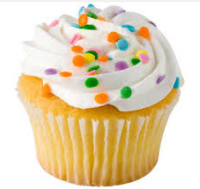
You could think of the theme as a plain cupcake. First, the composer shows the plain cupcake to the audience.  The variations are like decorated cupcakes.  Once the audience understands the plain cupcake, the  decorated ones are displayed for everyone to enjoy with their fancy differences.  Nevertheless, they are still recognizable as cupcakes!  Let's take a look at "Twinkle, Twinkle, Little Star" and taste the deliciousness of what your young composer is learning from studying it during the 3rd year of Let's Play Music!

The Poem
Lyrics for this popular lullaby come from an 1806 poem, "Star", published by Jane Taylor. Jane was a real trailblazer because she and her sister helped introduce the novel idea of writing poetry just for children.  Here is the entire original poem:

   
A sing-along storybook is available. By Jane Cabrera.
  Twinkle, twinkle, little star,

     How I wonder what you are!
     Up above the world so high,
     Like a diamond in the sky.

     When the blazing sun is gone,
     When he nothing shines upon,

     Then you show your little light,
     Twinkle, twinkle, all the night.

     Then the traveller in the dark
     Thanks you for your tiny sparks;
     He could not see which way to go,
     If you did not twinkle so.

     In the dark blue sky you keep,
     And often through my curtains peep,
     For you never shut your eye
     'Till the sun is in the sky.

     As your bright and tiny spark
     Lights the traveller in the dark,
     Though I know not what you are,
     Twinkle, twinkle, little star.


The Melody (and a Silly Game)
"Twinkle" is only one of many international songs that have been sung to the melody Ah! Vous dirai-je, Maman, a popular 18th century French children's tune.  In English, "The Alphabet Song" and "Baa-baa Blacksheep" are two more songs sung to the tune.

As a kid, I played a singing game with my sisters, and you might like to try it in your family: each of three singers (or teams) choose one of the above songs, then all sing at the same time.  Although the lyrics are different, the melody is the same for everyone.  Silly, right!?  For an even trickier song, sing in a round, starting a few measures behind the previous singer, still singing different lyrics.  Still not silly enough?!  For the best song yet, all start singing together, but each time the leader claps, switch to different lyrics!  Each group will end up singing a different crazy song, perhaps like this:

     SINGER 1                                                      SINGER 2
     Twinkle, twinkle, little star  (CLAP)                    Baa, Baa black sheep have you any wool?
     yes sir, yes sir, three bags full  (CLAP)              H I J K, LMNOP
     Q R S, T U V  (CLAP)                                       Up above the world so high
     Like a diamond in the sky…                              And one for the little boy who lives...

Apparently the best time to try this game is while trapped in the car with the entire family on a very long road trip.  We "entertained" our brothers and parents for hours and hours with our giggling.  

Nevertheless, if a melody is simple and memorable, it's likely to be the perfect place to start for creating variations.

Variations: Frosting on the Cake
The composition we study in Let's Play Music during the Orange semester is Wolfgang Amadeus Mozart's, "Variations on 'Ah vous dirai-je, Maman!'" with his twelve variations of the tune.  You know all about ABA form, but this is A-AI-AII-AIII-AIV….AXII form.

Just about every student of composition utilizes Theme and Variation to stretch their composing skills, and you can too.  Actually, after Mozart composed variations on this particular tune in 1781, the SAME TUNE was used by several other composers to create their own variations, including: Bach, Schulhoff, Dohnanyi, Liszt, Rinck, and Cardon!


Now your child (and you!) are ready to have some fun with variations.  It's like you want to decorate some of those beautiful cupcakes.  Options are limitless, but first you want to know: What colors of frosting are available?  What kinds of sprinkles do we have? What sizes of piping tips are there? Yes, if you want to decorate, it's good to understand your tools, so lets look inside Mozart's toolbox.

Variations are created by altering the rhythm, melody, harmony, pitch, tempo, or dynamics of the tune.  

Mozart's Toolbox of Variations

Mozart
Grab your Orange Roots CD and read this post as you listen along. Let's figure out what he did to create each variation. (Yes, all twelve. You may need a cupcake for nourishment).  Then YOU, TOO, will have the power to add variation to YOUR compositions.  Let's also imagine you have a really simple composition to work with, like Do-Re-Mi-Fa-Sol, and maybe we will play with it just like Mozart would.

Theme: First Mozart presents the theme, which sounds pretty much like "Twinkle."


 Variation 1: The right hand still plays the melody, but it is embellished with running notes (notes running between the important ones that carry the actual melody).  That is to say, where a single note was played in the 'theme', three extra notes have been squished in.  So each quarter note bug has been turned into four sixteenth notes (a caterpillar). It sounds fast and busy. 

What you can do: You could add the easiest ever extra notes…just double or triple notes of your theme by turning bugs into beetles.  Do-do Re-re Mi-mi, etc. is a variation.  Or to really make them running notes (moving up and down scales) you can add just about any baby steps, so long as you remember to hit your important melody notes sometimes.  Maybe you'll have Do-re-mi-re Re-mi-fa-mi Mi-fa-sol-fa, etc.  The bold notes are just reminders of what part of this new tune came from the theme.


Variation 2: The right hand still plays the melody, but the left hand is filled with running sixteenth notes (caterpillars). 

What you can do: We didn't talk about your left hand part, but most of my students begin with block chords. There are many ways you could get some extra fun notes in there.  You could start playing the low note of the chord, jump to the high note, and add a few baby steps down. Do-sol-fa-mi, Ti-sol-fa-mi, Do-sol-fa-mi  replaces a slow Red, Yellow, Red.  That sounds fast and fun!


Variation 3: The right hand plays the melody in triplets. A triplet means three notes make up one count.  We don't formally introduce this rhythm, but for fun (after I point out what is going on at this point), I like to have the class pat their laps while chanting "bug. bug. bug."  I come in with "one-trip-let. two-trip-let. three-trip-let." just so they can hear how I manage to fit three claps into their one beat.

Variation 4: You guessed it. Mozart plays triplets with the left hand.


Variation 5: The right hand plays the melody in an off-beat pattern.  This is a really whimsical way to dramatically change the rhythm. The right hand plays an eighth note- quarter note pair, then the left hand plays a pair, and they take turns.  

What you can do: When you mastered Yankee Doodle recently, you got the feeling of having your hands take turns. Yeah, both hands don't always have to strike at the exact same!  Play a creative rhythm to go along with some of your melody notes, then give the left hand a chance to play something with that rhythm.  Take turns. Fun!


Variation 6: The right hand STILL plays the melody but this is cool: instead of playing one note for melody, the note is played as part of a chord. Yay! Our students know how to do that!  Doesn't it sound big and strong and smashing?  The left hand goes back to playing with running caterpillars.

What you can do: If you want to stick to the Red, Yellow, and Blue chords, you can find a chord that includes each note of your melody.  Do-Re-Mi-Fa could use Red-Yellow-Red-Blue.  Now, to play those chords but make them sound like melody, choose an inversion of the chord so that the melody note is at the top.  You can do it! You know how to play with inversions. Take your time. The right hand gets to play slowly in this variation so you can jump your hand around if you need to.


Variation 7: The right hand goes back to running caterpillars. This time Mozart really did push to make the running notes into almost complete scales instead of just zig-zagging baby steps. He also mixes in his cool idea of having the left hand strike a note while the right hand rests. Fancy!

Variation 8: This variation is in C minor. That alone can make for an exciting change, but he also has the left hand echo the notes after the right hand plays.

What you can do: Whatever key you have written your composition in, you will add flats to change a few solfeggi.  Do-Re-me-Fa-Sol-le-te-Do is the minor scale we presented in class a few times. (The minor solfeggi are pronounced 'may', 'lay' and 'tay'.)  Figure out where your three flats need to be and you are ready to fly minor!


Variation 9: The theme is played staccato.  Your student knows all about staccato and could easily give it a try in her own work.

Variation 10: The left hand plays the melody, and the right hand embellishes.  Mozart has the right hand rest on the beats when the melody notes are played by the left. It really helps those notes stand out.

What you can do: I have several students who love to "flip" their work and let the left hand carry the melody while the right hand does something else.  The right hand could play a chord root, or a broken chord, or experiment with simple embellishments like Mozart does. I will play the left hand melody slowly and let the student use his right hand to experiment with possible ideas until we find something that sounds interesting.


Variation 11: This is one of the only variations where tempo, Adagio, is indicated.  Adagio means slow.  The theme is played in a singing style; you could certainly imagine someone humming or singing these lullaby notes.  Musical style indicates a piece follows conventions that give it a distinct sound, characteristic to the group.  We had fun with the Monsters puppet show by Prokofiev when we showed it performed in seven different styles.  I especially love the reverse: when pianists take pop songs and play them in classical style!

What you can do: Your student experimented this semester with how to change the stylistic feel of a song by playing chords in a broken style, root-note-only, or even a two-handed marching style.  You can take one melody all the way from a big loud parade march to a nice, slow, lullaby by changing the stylistic interpretation.  Try some of the ideas from class on your song.


Variation 12: This time the tempo is indicated as Allegro, which means fast. The melody has interesting rhythms and decorations, and the left hand is back to those caterpillars.  When I listen to this big, fast, exciting ending, I can just feel my heartbeat start picking up pace.

What you can do: Think of something special (loud? quiet? fast?) and slightly different to end your song with just the right feeling to send your audience home with.

This is not an exhaustive toolbox, but now you know some ways Mozart made his music interesting, so give them a try in your composing. If you hit a creative block, take a break to bake some cupcakes and they'll surely get your creative juices flowing.

- Gina Weibel, M.S.
Let's Play Music Teacher


Wednesday, December 3, 2014

Hoedown with Aaron Copland


Our second year students are getting in the cowboy groove with composer, Aaron Copland.

Aaron Copland
Two features set Copland apart from other composers we learn about in Let's Play Music: he was an American, and he lived very recently (1900-1990).  It was very important to Copland to help define a style of classical music that was truly American.  The U.S.A. is relatively young, so most of the classical music being performed when Copland was a student sounded old and sounded like it came from Europe.  Well, most of the classical music we still listen to in Let's Play Music does come from Europe!

In a television interview (WATCH HERE), Copland was asked, "why can't you write (music) in the (same styles from the)  past?"  He answered, "It wouldn't be natural! Why should we limit ourselves? We have rhythms that Chopin never thought of.  We have a wider range; a more complex, more dissonant language....the language of music has really advanced with the times."

An American Style

Copland, raised in New York, witnessed the rise and popularity of jazz music.   Jazz was genuinely American music.  He knew Americans could learn to learn to love classical music as much as they loved jazz, and he wanted them to have a type of classical music of their own.  So, he incorporated musical elements from jazz and folk music to compose classical music that was all-American. He believed it was possible to interest more Americans in classical music by writing something just for them. The piece we study,  Hoedown, from the ballet, Rodeo, is a perfect example of an exciting and sophisticated classical piece derived from folk tunes (cowboy songs).


Ballet, Radio, Movies, and More
Copland lived during a time when photographs, radio, and movies were invented and became common.  He saw that it was important to write music that people wanted to use in new formats.

 In a 1935 radio interview (listen here), he was asked, "How would you describe your music today?" and Copland answered, "I wouldn't want to describe it, because I might limit it. I think of it as different kinds of music for different reasons and purposes and media, and I hope it sounds like ME despite its variety."

Indeed, he did compose for different media: ballets (ie Billy the Kid, Rodeo, Appalacian Spring) and movies (Of Mice and Men, Our Town, Heiress) as well as classical concerts (like Third Symphony, Clarinet Concerto).  He wrote music to be incorporated into popular venues, and in doing so reached a very wide audience.  You can even see Aaron Copland, himself, conducting in this 1958 television series (watch here).

I like to challenge my Let's Play Music students to begin to notice the divers ways music is used and enjoyed in our modern society; perhaps one day these youngsters will emulate Copland's flexibility and write the music for concert halls, ballets, movies, television, commercials, cartoons, video games, and ipad apps! Next time you play a game on a phone or tablet, take a moment to notice the music; what do you think about it? Does it set the right mood for the game or scene? Would you like to write this kind of music?

Hoedown Ballet
A hoedown is a musical dancing party, featuring square dancing or country dances.  In class, our  cowboy and cowgirl puppets come together for a barn dance.  Copland wrote the music for a the ballet, Rodeo.  Although this clip is a little fuzzy and old, it's my favorite because I love the Baltimore Ballet choreography, and I love that they perform live with the Baltimore Symphony Orchestra.


Hoedown Animation
Here's a different type of video: this delightful animation from artist Eleanor Stewart is set to Hoedown. Similar to the cowboy puppets we use in class for each theme, her characters are set for each theme in the music.  You'll see them repeat as the musical sections repeat.  This animation also shows the written musical score: the pages and pages of musical notes musicians read from as they play.  Let's Play Music students will enjoy hearing themes presented in this different type of puppet show.

Hoedown from Rodeo from Eleanor Stewart on Vimeo.

So How Do You Compose A Song?
Aaron Copland wrote music in a style that was new, and he wrote music to be used in new ways.  In the biography, Aaron Copland: The Life and Work of an Uncommon Man,  he shares a bit about his own creative process.

"Somehow, suddenly, a musical idea occurs to you; either a whole phrase, or three notes, or a series of chords, something that seems pregnant with possibilities for development. Once you have the kinds of ideas that fascinate you, you're no longer in a position to decide the nature of the animal. It's going to take its essence from the musical ideas that occur to you.... Some musical ideas are too short, they don't seem long enough to carry you through ten minutes of music, so you have to start searching about for other ideas; contrasting ones that seem to fit with the original ones."

Take it from Copland: there are are many ways to begin a song.  Even if you only have a few notes that make a tune you like, or a few chords that progress in a cool way, it is enough to begin. When your student begins composing in Year 3 of Let's Play Music, encourage him to tinker and find the small bits of sound and melody that become the seeds of a composition.  It doesn't take much!

You Can Go To The Hoedown!
A hoedown is usually not for ballet dancers- it's a party regular folks. At the end of the day, the farmer puts his HOE DOWN and goes in form some music and merrymaking.  Are you sad that wild west cowboy days and barn dancing days are long past?

Well, I have great news for you: you can still attend a hoedown in your area (Click Here to Find One)! The type of dancing will be contra dancing (similar to square dancing), and the music is usually folk and bluegrass played by fiddles and banjos and piano.  The caller will teach you a few dance steps, then call them out as the music is played.  You'll learn quickly because the same few steps will be repeated many times during the song.  The caller will teach you a new pattern for the next song. 


Can young people attend contra dances? You bet! Generally the pace is a bit too quick for the four-year-olds to learn the steps, so they end up clapping on the sidelines, but if you attend a family dance, they'll have a few simpler songs to make sure everyone gets to dance (check with your local group). Tweens and teens will easily master the steps, and I have seen several children as young as seven participating just fine, too.  I hope you'll feel adventurous enough to go on a family outing and to a dance in your area.

Put Your Hoe Down and Dance
Now that you've seen some Hoedown ballet and some contra dancing, why not make up your own moves to Hoedown to dance with your family?

-Gina Weibel, M.S.
Let's Play Music Teacher

Monday, June 30, 2014

2014 National Composition Contest Winners

The student confidently steps onto the stage, and announces his original composition.  He performs beautifully for the audience.  The parents, and certainly the teacher, are shocked to discover that three short years have flown past since he began Let's Play Music, and now he's graduating from the program as a viable musician.  Audience members gasp in delight and amazement to hear the creativity, knowledge, and feeling bursting from compositions by unassuming six-, seven-, and eight-year-olds.

This is a familiar scene every Spring at Let's Play Music studios nationwide.  The program helps students read and play piano music, but the more fantastic result of three very short years is a student body who understand the music, enjoy the music, and create their own music!

Today we share the performances from the 2014 National Composition Contest winners: students who made it clear that they understand and will forever be creators of music.  Winners were announced earlier in June at the National Let's Play Music Symposium for teachers.  1,264 young composers completed compositions in 2014.

Best Overall Composition: 
"The Wild Mustangs"Joshua, Age 7.  
Teacher: Heather Prusse, Arizona
"You should hear two horses racing. In the minor section, you should hear some horse bandits trying to get them, but the Mustangs get away." - Joshua


Most Original: "Secretariat" Paige, Age 8. 
Teacher: Laura Leavitt , Utah
 "You will hear horses hooves thumping on the ground." -Paige


Best ABA Form:  
"The Great White Shark" Noah, Age 7
Teacher: Marianne Barrowes, Utah
"The song helps you think about scary stories."- Noah


Best Use of Chords:  
"Ponies in Trouble" Kinsey, Age 6 
Teacher: Alicia Dansie, Utah


Best Melody: 
"Gypsy Air- Dani's Song"Kallyn, Age 9 
 Teacher: Janalee Fish, Arizona
"I wrote this tune for my little sister, Dani."- Kallyn


Honorable Mention: "Miracles"Grace, Age 7 
 Teacher: Cindy Read, Arizona


Honorable Mention: "Scottish Jig" Eli, Age 7.  Teacher: Annah Clark, Kansas


Honorable Mention:  
"I Love To Swim All The Time" Ashyln, Age 6 
Teacher: Lily Hight, Utah
"My B-section is minor, because it's when you have to get out of the pool." -Ashlyn


Honorable Mention:  
"Horse Family On The Range"Aundra, Age 6. Teacher: Celeste Stott, Montana
"My song is about me and my family chasing cows."-Aundra

Honorable Mention:
"The Best Day Ever" Charlie, Age 7.
Teacher: Jera Farnsworth, Arizona


If your student hasn't reached the third year yet, stick with Let's Play Music and you'll see all the foundational skills come together for some joyful musicianship.  If your child isn't in Let's Play Music, FIND A TEACHER near you: most are registering right now for classes that begin this fall!

-Gina Weibel, M.S.
Let's Play Music Parent


Tuesday, November 26, 2013

The Gift-Buying Guide for Musical Kids


It's holiday season, and that means you have an opportunity to choose thoughtful gifts for the children in your life.  Want to encourage music learning and help create a musical environment at home?  Here are some ideas to get your shopping off to a harmonious beat:

Tuition for Music Classes
If Grandma or Aunt Betsy asks what the kids could use this year, be sure your bases are covered for tuition.  Having some or all of a class paid for is a clutter-free gift that stays with your child forever.  Don't forget how easy it is to offer a semester of Sound Beginnings to toddlers and preschoolers on your gift list, too!  Need to find a teacher for those nieces and nephews? Use our FIND A TEACHER button.

Big Ticket Instruments:

  A Piano Or Keyboard:  


If this is your first year in Let's Play Music, you'll need a piano or keyboard at home next year.  Check out our guide on how to choose a piano or keyboard.  Warehouse clubs like Costco often have deals on 88-key digital pianos during the holiday season, and Target has had Black Friday keyboard deals for the past several years.


An Autoharp: You might also enjoy an autoharp at home, especially since the portable instrument is fun to take along on camping trips and pull out at family gatherings. 

A Metronome:  Finally, by the 3rd year of Let's Play Music, your student will be ready for a metronome.  There are some fun  games you can play with a metronome, but of course it will be a tool for improving musicianship skills.  There are many economical options and even apps.  A nice traditional metronome can last a lifetime, so you might consider getting a top-notch one.

A Ukulele: New to the list in 2016! I finally decided that the uke is easy enough to learn that even kids as young as 6 and 7 years old can get some great mileage from it.  Once you learn a handful of chords, you'll be able to play lots of songs from tab sheets as well as quickly compose your own creations, and that's a fun feeling. Of course, the Let's Play Music songs will be popular favorites to play from day one.  When buying a ukulele, it's worth your while to visit a guitar shop and see what real instruments look/feel/sound like before you accidentally get bamboozled into buying a toy uke from Toys R Us for $10. I'm not saying you must spend $100, but if you do buy a $30-$50 uke, be prepared to immediately replace the strings with better strings and potentially spend more time initially getting it in tune.  You'll need a tuner, too.

Rhythm Instruments:

The Gift of Your Time: Now that you've got the piano taken care of, it might be fun to have a "rhythm box" of instruments accessible to your child.  Help him learn the rules about instruments (handle them gently, put them in the box when you're done, ask politely to use what someone is holding) while playing along to favorite songs with the family.  Of course you'll be able to recreate the rhythm games from all years of class (and even find more online) that you can play to improve rhythm and reading.  Start a rhythm tradition; build a time into your day when the family can giggle and dance to a song, using the instruments to keep the beat or play a rhythm echo game.  The instrument itself is the first gift, your instruction on how and when to use and enjoy it is the second!


Tambourines and Rhythm Sticks are must-haves in a rhythm box.  Rhythm Band is a great vendor with sets or individual instruments.  

A Gathering Drum by Remo is an all-time favorite.  They have several other drums and items for children that sound excellent, too.


Boomwhackers are fun and sturdy and can be used along with your tone bells and many additional family games and activities.

Echo-microphones encourage kids to sing (and read out loud), and don't cost much.

Kazooks and Harmonicas are just the right size to fit into a stocking.


Tiny music boxes like these make great stuffers, too. AND you might even be able to find some that play the classical songs we study in Let's Play Music and Sound Beginnings (I have seen Ode to Joy, Vivaldi's Spring, Waltz of the Flowers, Brahm's Lullaby, Over the Rainbow, Edelweiss, and Twinkle Twinkle, Itsy Bitsy Spider, and Baby Elephant Walk).  For a young student, cranking this thing is excellent for hand and wrist motor-skill building.  For an older student, nothing is more cool than making your OWN crankshaft music box!

Electronics:
 
CD Players, Ipod Docks, Bluetooth Speakers: If you don't already have a device for your child to operate when he would like to play his Let's Play Music songs (and other music), this would be a worthwhile gift.  Teaching your child how to operate the equipment to turn on songs he would like to hear empowers him to make music part of his day, and puts a smile on your face when you hear the sounds of your independent little one off in his room singing to his CD (and perhaps playing bells.)

During the second and third year of Let's Play Music, you'll also want a dock or CD Player near the piano so your child can play along with the recordings- here's your  chance to get prepared!


MP3 Players:  For those worried about replacement costs, MP3 players can often be found cheaply ($15 and less) and can be loaded up with carefully-chosen Let's Play Music and other songs.  It's worthwhile to choose child-safe headphones or educate your child about safe volume levels on headphones before turning him loose. 


Music to Listen To:


Performing Arts Tickets: Nothing sends the message "we care about music" quite as succinctly as giving your child tickets to see live musical performers.  Check your local symphonies and performance halls for performances that would be especially child-friendly (and respect age limits on those that are not), but don't overlook college, high school and community performing arts centers, too.   If there is a performing group you think your child may aspire to joining in the future, it's never to early to become a fan; find out where they will perform and take your child to check it out. 

Music CDs:
You can help your child improve musicality and music literacy by giving her opportunities to listen to lots of music.  Don't make the mistake of skipping over "kids" music in an effort to speed your little Einstein to success.  Simple, easy-to-sing songs have a definite place in your child's learning curve; she'll probably appreciate that she CAN easily discern the melodic patterns and chord progressions.   KIMBO has a huge collection of traditional rhymes and sing-a-longs; my preschoolers always especially love the "Six Little Ducks" album.

A large number of children's artists are writing songs that parents enjoy too. You can browse the CD collection at your library before you buy, or try some of my children's suggestions:


Laurie Berkner
Brady Rymer
Ralph's World
Stevesongs
Putumayo Kids :world music
Dog on Fleas
Imagination Movers
Justin Roberts
Lunch Money
Milkshake
Recess Monkey

Karaoke Machine: Encouraging your child to sing out loud during music class might be as easy as encouraging her to sing out at home!  Consider a karaoke machine for the family to enjoy with some kid and adult favorites.

Encourage Classical Music:
 

Beethoven's Wig Albums: All this children's music talk doesn't mean you should avoid classical music.   I ADORE the albums by Beethoven's Wig, which put silly lyrics to popular classical tunes.  My kids sing along with joy, then eagerly listen to the traditional tracks with no lyrics, then demand "I MUST learn to play this piece on piano!"  I cannot say enough great things about the delights of these albums, so I guess these win the EDITOR'S PICK AWARD for this entire blog post.


Maestro Classics: Listen to the London Philharmonic play and hear a familiar story to go with the music in each of the 13 Maestro Classics.  There are even activity workbooks.  Give it a look!

Books about Music: Encourage music with a few books about instruments and fun stories about the orchestra.  Here is a top ten list to get you started.


Scarves for Dancing: Encourage the experience of classical music with our Sound Beginnings "Smart Moves", or make up your own dances to go along with favorite music.  Scarves to dance with make it all the more fun.

Puppet Theaters: Pinterest can give you ideas for making your own puppet theater, or you can purchase a lovely one to showcase the many classical shows you'll know by the end of Let's Play Music!

Additional Learning :


8-Note Bell Music: If you're wishing for more songs to play on your bells (or boomwhackers), the best place to start is with these 2 songbooks from the Let's Play Music Holiday shop.

Extra Sheet Music: Peruse your local music store for sheet music that will interest your child.  I adore playing duets with my kids, so we have enjoyed Alfred's Chord Approach Duet book .  The Faber Accelerated Piano Adventures Pop Repertiore is exciting and fun and just right for our third year students.


Giant Piano: Your physically active musician will be inspired by youtube videos of giant piano performers dancing their way through the classics.  

 Educational Apps: If you have a device, your child might enjoy a few new apps all about making music.


Toy Piano: If you just can't resist the cuteness, you might give a toy piano to your preschooler.  I'm told the keys on the Schoenhut pianos are full-size, which makes me happy because your child's fingers will develop muscle memory for these distances.  The 25-key pianos will at least have enough keys to play the Red, Yellow, and Blue chords with one hand, but the 15-key pianos will frustrate your child when she tries to play Yellow with no low B.  One parent desperately wanted this toy but worried that it would somehow stunt the actual piano learning.  I'm of the opinion that anything that draws your child to play and experiment with music (and practice real chords) can't be bad! 

Giant Staff: Love games on the giant staff mat in class?  Make one of your own to play with!

If you have (or hope to have) a musical child, I hope you've been inspired to find at least one gift this season to nurture the love of music learning!  Happy Holidays!

-Gina Weibel, M.S.
Let's Play Music teacher